If you are planning a renovation or addition in Boston, you have likely heard about blue board and veneer plaster. Homeowners across Back Bay, South End, Dorchester, and Jamaica Plain often ask when blue board installation makes more sense than standard drywall with joint compound. This guide explains the differences in plain language and shows when blue board can deliver a smoother finish, stronger surface, and faster project timeline in New England homes.
For projects that need a premium plaster look with durability, many Boston homeowners consider blue board installation because it is designed to receive a veneer plaster coat that bonds to the face paper. That bond creates a surface that resists dings and helps hide minor framing imperfections that are common in older housing stock.
Blue Board vs. Drywall: A Quick Primer
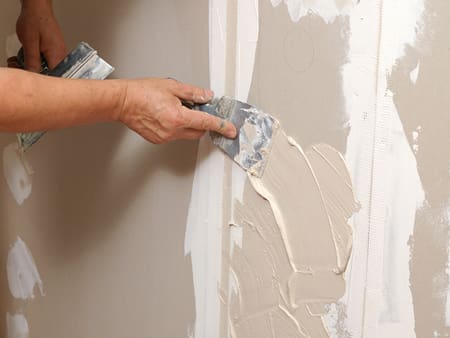
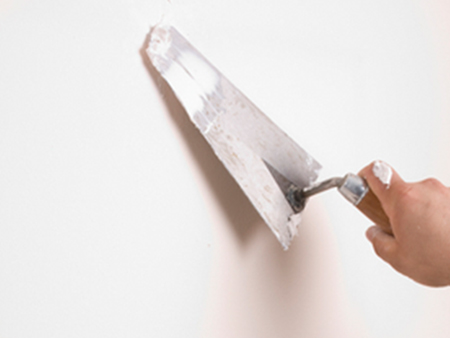
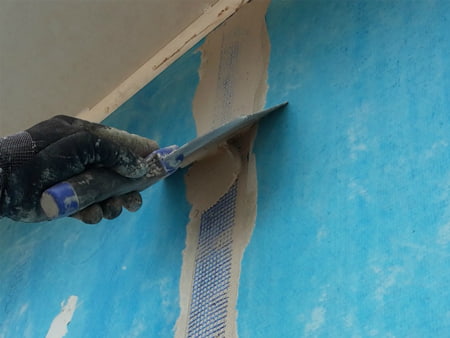
Standard drywall uses paper-faced gypsum panels finished with joint tape and multiple coats of joint compound. It is cost-effective and widely used. Blue board is also gypsum-based, but the blue-tinted face paper is made to grip veneer plaster. Instead of building up mud over seams, a plasterer trowels on a thin, continuous plaster coat that cures into a dense shell.
Blue board is paired with veneer plaster, creating a harder, more impact-resistant finish.
Drywall relies on joint compound, sanding, and primer before paint, which can be more sensitive to humidity swings.
Blue board can achieve a high-end smooth or lightly textured look that feels like traditional plaster.
In many Boston renovations, especially in older brownstones and triple-deckers, blue board helps bridge new work to existing plaster by matching feel and depth while controlling dust and downtime.
When Blue Board Installation Is Better In Boston Homes
Certain conditions make blue board the smarter pick in our coastal climate and historic neighborhoods.
Older homes with wavy framing where a continuous veneer coat helps mask subtle irregularities.
High-traffic areas such as halls, stairways, and mudrooms where a tougher finish reduces scuffs and dents.
Premium spaces like living rooms or primary suites where a glassy, uninterrupted surface is part of the design goal.
Additions that tie into existing plaster walls, keeping a consistent look and feel throughout the home.
Winter projects where limited sanding helps control dust while windows stay shut.
Boston’s freeze-thaw cycles and summer humidity create seasonal movement. Veneer plaster over blue board forms a dense skin that tolerates minor shifts better than heavy buildups of joint compound. In brick and masonry buildings common in the North End and Beacon Hill, plaster’s bond and surface hardness can be an excellent match.
When Standard Drywall Still Makes Sense
Drywall remains a solid option in spaces where a basic painted finish is all you need, and the walls are straight and true.
Utility areas and simple bedrooms where durability needs are average.
Ceilings with extensive recessed lighting layouts that are already framed flat and even.
Walls scheduled for beadboard, tile, or other coverings where a premium plaster face is unnecessary.
While blue board and veneer plaster shine in many cases, drywall’s simplicity and wide material availability make it a practical choice for budget-conscious or purely functional rooms. The right answer depends on your goals for appearance, durability, timeline, and how the new work connects to existing finishes.
How Veneer Plaster Performs In Real Boston Conditions
From coastal moisture in Dorchester to temperature swings in West Roxbury, local conditions stress interior finishes. Veneer plaster cures into a dense, low-porosity layer, so everyday bumps from backpacks or moving furniture tend to leave fewer marks. For families, that means fewer touch-ups around corners and stair landings over the years.
Because the finish is troweled in a continuous coat, tiny surface ripples are less noticeable under strong daylight or wall-washer lighting. That is helpful in South End condos with tall windows and reflective paint sheens. Plaster’s crisp edges around trim also support a refined look, which pairs beautifully with traditional millwork found throughout older Boston homes.
Local tip: In many Boston brownstones, walls are not perfectly flat. Blue board with veneer plaster can reduce telegraphed seams and light flares on long walls, helping paint look smoother with fewer callbacks.
Project Timeline, Noise, And Dust Considerations
Homeowners often worry about noise and dust, especially in occupied spaces. Blue board with veneer plaster can shorten finish schedules because the continuous coat reduces the number of sanding steps. Less sanding also means better air quality during winter when you cannot ventilate as much. Crews still protect floors and isolate work zones, but many families find the process more comfortable compared to extensive drywall sanding.
Every project is unique, and actual timelines vary by room count, ceiling height, and season. A site visit is the best way to plan sequencing around move-in dates, school schedules, or holiday hosting.
Rooms That Benefit Most From Blue Board
Think about where appearance and durability pay you back over time. In Boston, that often includes front entries, parlor-level living rooms, and second-floor hallways in taller homes. A hard, smooth plaster finish helps maintain a crisp look even with heavy use.
Bathrooms and laundry rooms can also be candidates with the right material selections in moisture-prone locations. Always match the board and finish to the room conditions and ventilation. Use moisture-appropriate board in wet-adjacent areas to avoid premature surface issues.
Veneer Plaster Finish Options And Paint Sheens
Veneer plaster over blue board supports multiple finish levels, from near-gloss smooth to subtle texture. A Level 5 equivalent smoothness is common in high-end spaces because it keeps light from revealing seams. For paint, many designers choose matte or eggshell to protect the sleek look while keeping maintenance simple. Glossier paints reflect more light and can accent any framing inconsistencies, so discuss goals with your finisher before selecting a sheen.
In dining rooms and formal spaces, a polished plaster-like feel can help historic trim and picture rails stand out. In kids’ rooms, a slightly warmer texture can add character while still cleaning well.
What To Expect From A Professional Blue Board Installation
A well-managed project starts with protection and prep, followed by careful layout of panels and clean fastening patterns. Seams are aligned to support the veneer plaster flow. Skilled trowel work then creates the final appearance. The result is a surface that looks monolithic, especially under grazing light on long corridor walls common in Boston multi-family buildings.
If you want to explore finishes before you decide, ask about sample boards. They let you see smoothness and texture under your home’s real lighting. Confirm the veneer plaster system and recommended cure time before painting to avoid trapped moisture.
Blue Board And Historic Boston Homes
Matching new interiors to existing plaster is a frequent goal in neighborhoods like Charlestown and Roslindale. Blue board with veneer plaster can approximate the depth and feel of traditional lath-and-plaster without extensive demolition. It also helps merge new additions with original sections so trim reveals and wall planes feel consistent from room to room.
Older homes may include slight variances in framing, especially where previous remodels met older studs. The continuous plaster coat can soften those transitions. Avoid rushing paint application after plaster; allow adequate cure time for the finish to harden properly.
How To Decide For Your Project
Start with your priorities. If you want a premium, long-lasting finish that reads as true plaster, blue board is often the best route. If function and speed at a basic finish level are the focus, drywall can meet the need. Many Boston projects mix both: blue board in public or high-wear spaces and drywall in utility rooms. That hybrid approach balances performance and efficiency.
When you are ready to compare options in detail, review our overview of blue board hanging so you can see how the process aligns with your goals. You can also explore general services from Celtic Drywall Systems by visiting blue board installation on our home page and browsing recent projects.
Common Concerns From Boston Homeowners
Here are a few topics we discuss during consultations in Boston, MA:
Seasonal timing. Winter work may favor blue board and veneer plaster because there is less sanding and fewer open-window days.
Dust control. Blue board finishing can reduce airborne dust in occupied renovations compared to extensive drywall sanding.
Design intent. High-style spaces benefit from a monolithic plaster face, while simple rooms may not need it.
Integration with existing plaster. Blue board helps match depth and feel when tying into original walls.
Every home is different, and older buildings can include hidden conditions. A walkthrough helps set the right expectations and sequence with painters and trim carpenters so the job flows smoothly.
Why Choose Celtic Drywall Systems For Blue Board In Boston
Our team focuses on the details that make a finish feel refined, from straight reveals to clean inside corners. We understand how Boston’s architecture and coastal climate affect materials. That local knowledge guides our recommendations so you receive a finish that looks great in month one and year ten.
If you prefer to talk through options, call us at 617-849-3563. We will discuss your rooms, lighting, and the look you want, then suggest the best path.
Ready To Move Forward?
Ready for professional blue board installation in Boston? Talk with Celtic Drywall Systems to plan a durable, plaster-quality finish that fits your timeline.
Whether you live in a Beacon Hill condo or a Cape in Hyde Park, our team can help you choose the right system for each room and coordinate with your painter for a smooth handoff. If a premium plaster look is your goal, start with a conversation and a quick site visit. To learn more about the process and finishes, review our page on blue board installation service and see how it applies to your space.
Celtic Drywall Systems is a full-service drywall company serving the Greater Boston area. We offer a wide range of services to both home and business owners alike, no matter how big or small their property might be. Some of the towns we provide service to include:
During this project we added all new ceilings through out apartment and skimmed all the walls bringing them back to life from old cracked plastor
Plastering
USG Drywall
If you're looking for the best drywall installation in the Quincy area, please call 617-849-3563 or complete our online request form. […]
Celtic Drywall Systems recently completed a new bedroom ceiling installation in the Middleborough, Massachusetts area. We removed all of the old ceiling paneling and did the completely drywall replacement.
Drywall Installation
Drywall Removal
USG Drywall
If you're looking for the best drywall installation in the Middlesborough area, please call 617-849-3563 […]
If you are planning a renovation or addition in Boston, you have likely heard about blue board and veneer plaster. Homeowners across Back Bay, South End, Dorchester, and Jamaica Plain often ask when blue board installation makes more sense than standard drywall with joint compound. This […]
Planning drywall installation in Boston can feel like a puzzle. You want clean lines, smooth walls, and a schedule you can trust. This guide explains each step, how long it usually takes, and the local factors that can speed things up or slow them down. If […]
If you're looking for quality blue board or drywall installation for your Boston building, please call 617-849-3563 or complete our online request form.