Planning drywall installation in Boston can feel like a puzzle. You want clean lines, smooth walls, and a schedule you can trust. This guide explains each step, how long it usually takes, and the local factors that can speed things up or slow them down. If you are ready to map out your project, take a look at our drywall installation details to see how Celtic Drywall Systems approaches scheduling and quality.
Every home is different. Older brownstones in Back Bay, triple-deckers in Dorchester, and condos along the Seaport each bring their own quirks. The number of rooms, ceiling height, finish level, and Boston’s coastal humidity all play a role. We will keep the timelines realistic and explain what you can expect without guessing at costs or permits.
The Typical Drywall Installation Timeline in Boston
For a standard set of rooms, many Boston projects run about one to two weeks from start to paint-ready primer. Larger homes, complex ceilings, arches, or a level 5 finish can add time. The schedule below focuses on what happens inside your walls, from prep through primer, so you can plan painters, trim, and move-in dates with less stress.
- Site protection and delivery: a few hours to one day
- Hanging boards: one to three days depending on room count and height
- Taping and mudding (multiple coats): three to five days with drying time between coats
- Sanding and primer: one to two days
These are typical ranges, not promises. Drying time is the biggest variable. Temperature, humidity, airflow, and compound type all matter.
Pre-Job Walkthrough and Site Prep
Good schedules start with a good walkthrough. Your crew confirms room counts, ceiling details, access routes, and where to stage materials. Floors, stairs, railings, and doorways get protected. If your building has a concierge or a loading zone, elevator time and hallway protection may be planned in advance.
Protection, Deliveries, and Access
Drywall sheets are large and heavy. Narrow Beacon Hill staircases, tight turns in South Boston, or snow on the sidewalk can slow a delivery. Clear a path and move fragile items. If a condo board requires reservations, book them before the truck arrives.
Moisture and Humidity Check
Compound cures best in stable conditions. If the space is unheated or windows are open, plan for dehumidifiers or temporary heat. Keep your home at 60–70°F with low humidity for faster drying. That single step does more for the schedule than any other.
Day-By-Day: What Happens During Drywall Hanging
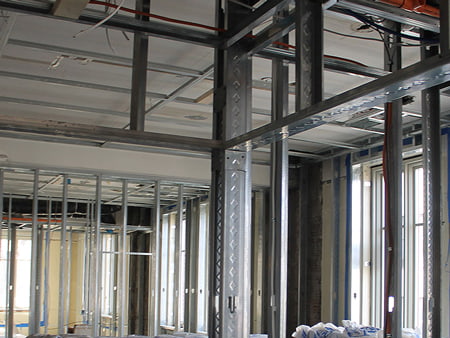
Hanging is where walls take shape. Crews start with ceilings, then move to walls. They fasten boards to the framing, cut openings for lights and outlets, and leave clean joints with tight seams. Vaulted ceilings, soffits, and specialty sound or fire-rated boards add time because they need more cuts and careful fastening.
On many Boston projects, hanging takes one to three days. A single living room may be finished in a day. A whole floor of a triple-decker can need two or three, especially with high ceilings or lots of windows. Once boards are up, corners, beads, and trims are set so the taping team can begin.
Taping, Mudding, and Drying Times in Our Climate
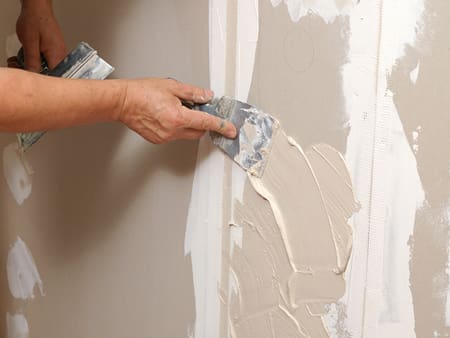
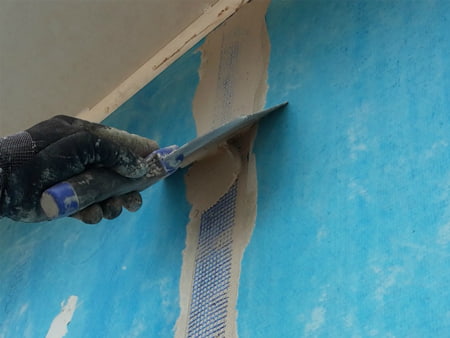
This phase is the heart of the finish. Tapers apply joint compound over seams and fasteners, embed tape, and build up smooth surfaces over several passes. Most jobs need three coats, with light sanding between coats. Drying usually takes 12 to 24 hours per coat with good airflow, but Boston’s summer humidity can stretch that window.
Winter can help or hurt. Heated homes in January are warm but dry air can pull dust around, so protection matters. In spring and fall, open windows may help, but watch for damp coastal air that slows curing. Your crew will balance airflow and cleanliness with fans, filtration, and strategic breaks between rooms.
Local insight: Boston’s coastal humidity often adds extra drying time in July and August. Ask your crew to use dehumidifiers overnight and keep windows closed when the air feels sticky. That simple switch can save a day across multiple coats.
Sanding, Priming, and Level of Finish
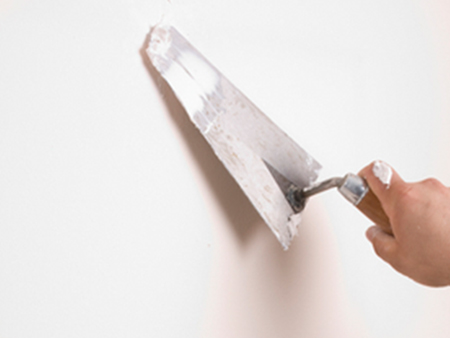
After the final coat dries, sanding blends joints to a uniform surface. Then comes primer. The primer step matters because it reveals tiny flaws you cannot see on raw compound. Bright, sunlit rooms along the Charles or rooms with glossy paint often benefit from an extra skim.
Finish levels range from standard living spaces to premium. A level 4 finish is common and looks great in most homes with matte paint. Ask about a level 5 finish for rooms with big windows or glossy paint. It adds a thin skim coat across the entire surface for a near-flawless look. That choice affects time because it adds a pass and another round of drying.
Scheduling Factors That Can Speed Up or Slow Down
- Room count, ceiling height, and special framing details
- Finish level and paint sheen planned for the space
- Humidity, temperature, and ventilation in the home
- Access limits like narrow stairs, street parking, or elevator bookings
- Change orders after hanging begins
If you want a broader view of how we plan for these variables, browse our drywall contractor services to see the steps we take before a crew ever rolls in.
Working in Boston Homes, Condos, and Triple-Deckers
Every neighborhood has its rhythm. South End brownstones have tight stairs and shared entries that need extra protection. Seaport condos may need elevator reservations and proof of insurance filed in advance. Dorchester and Roslindale triple-deckers can have uneven framing or leftover plaster that needs furring before boards go up. None of this is unusual. A clear plan keeps it smooth.
Book elevator and parking permits early if you live in a condo or on a tight street. It prevents delivery delays and small schedule slips that add up. Your project manager should confirm these details during the walkthrough and build them into the timeline.
How To Keep Your Project On Schedule
Homeowners play an important role. Here are simple steps that help crews move fast without cutting corners:
- Keep climate control on and steady. Avoid big swings in temperature.
- Leave clear space near walls and ceilings so ladders can move freely.
- Hold off on big deliveries during taping and sanding days.
- Confirm access times with building staff and neighbors.
Clean workspace equals steady progress. Cover vents, close doors to finished areas, and allow the crew to manage airflow and dust control. Do not schedule painters until the primer is fully dry and dust has settled. Give it a little breathing room and your finish will thank you.
When Can Painters and Trim Carpenters Start?
Plan painters after primer is applied and inspected in daylight. Trim carpenters can install casings and baseboards once walls are smooth, dry, and free of dust. Many Boston homeowners coordinate painters and trim for the same week to shorten the overall remodel time. Your project manager can help sequence these trades so no one is waiting on a damp wall.
What a Day on Site Looks Like
On hanging days you will notice more movement. Boards come in, ceilings go first, then walls. On taping days things look quiet. Compound needs time to set, so crews work in passes and keep traffic light to protect corners and seams. Sanding days are dusty even with filtration, which is why protection and cleanup are built into the plan.
Your team will update you at the end of each day. If anything changes, it is usually due to drying time or a hidden condition once walls are open. A good crew will explain options and set a new daily target so you are never in the dark.
How Celtic Drywall Systems Builds a Reliable Timeline
Our process is built for Boston homes. We start with a detailed walkthrough, confirm access, and plan for climate control. We sequence crews so you are not waiting between steps. If your space needs a premium finish, we budget that time up front so there are no surprises.
If you are comparing providers, look for clear daily goals, dust control plans, and consistent communication. At Celtic Drywall Systems, we handle drywall installation with a focus on schedule, cleanliness, and a finish you will be proud of. That includes thoughtful staging, careful protection, and primer checks before anyone brings in paint.
Want to see the work steps in detail? Review our approach to drywall installation so you know exactly what will happen in your home and when.
Seasonal Notes for Boston Homeowners
Winter: homes stay warm and dry, which helps drying, but deliveries can be slower in snow or ice. Spring: fast weather changes mean you should keep windows closed during damp spells. Summer: humidity is high, so dehumidifiers and steady air conditioning are your best friends. Fall: often ideal for finishing, with stable temperatures and fewer storms.
Whatever the season, consistent conditions help compound cure evenly. Your crew may suggest running fans overnight, closing shades on sunny windows to avoid hot spots, or spacing coats to match the humidity that day.
Ready To Start? Here Is the Next Step
Boston homes deserve careful planning and a finish that lasts. With the right steps and steady communication, your project can move from bare framing to a beautiful, primed surface on a timeline that makes sense. Celtic Drywall Systems is ready when you are.